I work at one of our hospitals here in San Diego as a chaplain. At times, I experience role tension during my visits, especially when I begin to function as a priest by counseling or “helping” patients, rather than supporting them in the distinct ways chaplains do. Hospital caregivers invite chaplains to visit any patient, regardless of their faith, including Muslims, Christians, Buddhists, Hindus, atheists, and those who claim no belief beyond themselves. When I am rounding or called in, I offer presence, giving myself as the most essential resource of care. I sit with patients if they permit, listen attentively, and ask guided questions that help them reflect and find their own answers. At a certain point, when we have engaged in sufficient listening and dialogue, I often ask intentionally: “How may I help?” or “How can I support you better?” Frequently, patients respond that I have already addressed their concerns or that the conversation itself provided what they needed. This approach gives individuals ownership of their solutions.
Today, we celebrate the Feast of the Holy Family. We honor the love nurtured in the humble home where Jesus Christ, fully God and fully human, found his earthly dwelling under the care of Mary, his mother, and Joseph, his foster father. They guided him through infancy, but as he grew and matured in mind, body, and spirit, they allowed him to make decisions and take responsibility for them. By modern standards, they were not wealthy; yet, they were self-sufficient and provided for Jesus to the best of their ability with the resources they had. While their role does not exactly mirror that of chaplains, their example draws attention to the family as the nucleus of every community, the place from which each of us emerges. It is within this environment that responsible individuals are formed, not through excessive intervention or over-pampering, but through guidance that prepares them to live responsibly in a complex world, such as ours.
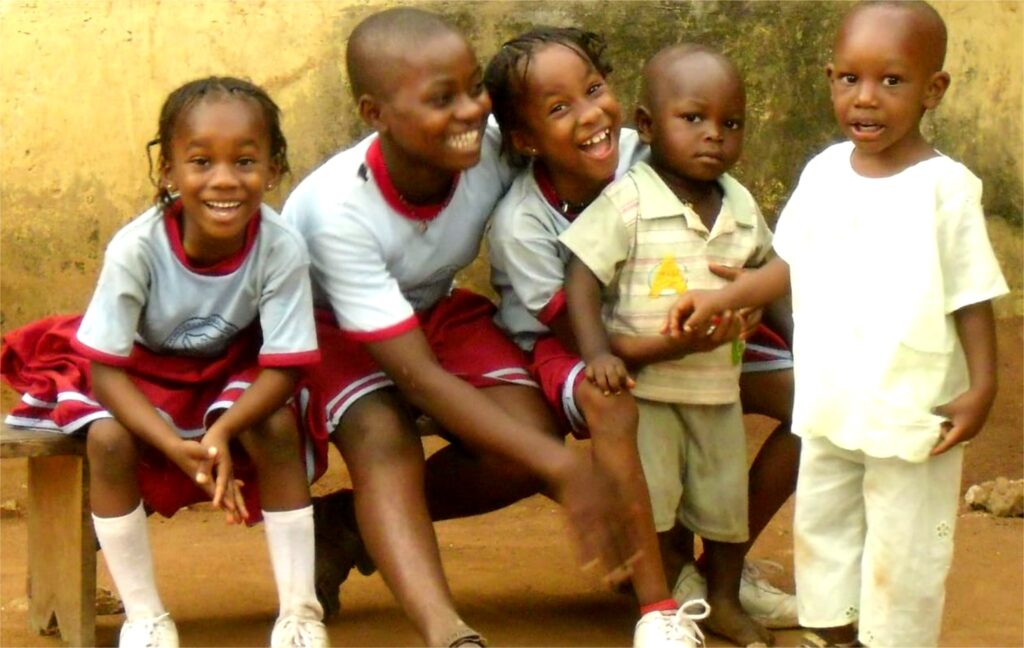
One clear message stands out for us all today, parents!. Loving, providing for, and supporting our children throughout life is a sacred responsibility. However, failing to train our children or refusing to hold them accountable when they do wrong sets them up for failure. I understand that people learn in different ways, and sometimes the most effective lesson comes from allowing our children to make mistakes and learn from them. However, shielding our children excessively or offering false reassurance about reality could be misleading. When parents strike a balance in their approach to training, allowing for shared responsibility between them and their children, it helps the kids test their abilities and grow in confidence. My emphasis here is on doing our work well when our children are young and, over time, creating a supportive environment that enables them to thrive independently. This approach includes loving them, guiding them, remaining available, and knowing when to ask, “How may I help?”
Today’s feast invites us to step back and re-examine how faithfully we have embraced our God-given roles as parents. Where we have fallen short, to ask God for forgiveness and for the grace to re-focus. Our children depend on us for direction, formation, and support. By guiding them wisely and offering help when necessary, we contribute to keeping our families united, successful, and, above all, holy, following the example of the Holy Family of Jesus, Mary, and Joseph.