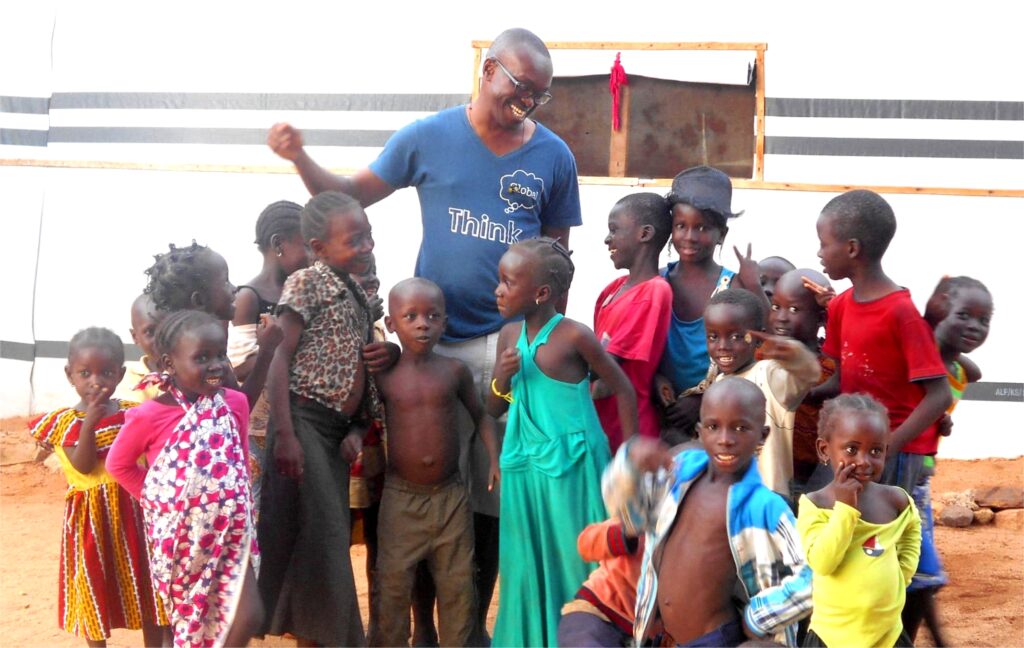
As I considered a fitting theme for this weekend’s liturgical celebrations, my mind turned to the concerns of the neglected and abandoned. No one remembers them; their needs count for nothing and are therefore not considered when allocating budgets; they live on the fringes of society, etc., but not forever in the eyes of God. When we reflect on the plight of the neglected, for instance, we are reminded that their concerns stand at the very heart of the mission of Jesus Christ. The Gospel of St. Luke (4:18ff) deepens this conviction by proclaiming (at the beginning of Jesus’ mission) that the Spirit who anointed Jesus for ministry sent him precisely to such persons or people. In the first reading (Isaiah 8:23-9:3), the land of Zebulun and the land of Naphtali are counted among those living on such margins. The painful reality is that some of their suffering was self-inflicted: they first walked in darkness. Similarly, in the second reading from St. Paul to the Corinthians (1 Corinthians 1:10-13, 17), division and rivalry fractured the community, mirroring the situation of the people of Zebulun and Naphtali. However, amid these failures and challenges, hope remains firm, for God is our light and our salvation (Psalm 27:1, 4, 13-14). In Jesus Christ, a great light has dawned upon the darkness of our lives.
The beginning of the year, like the start of any new undertaking, calls for intentional withdrawal, for informing decisions to renew and refocus, and for an honest and deliberate assessment of the direction of our lives. In today’s Gospel (Matthew 4:12-23), Jesus himself models this pattern. He withdraws briefly before emerging to call those who would become his apostles. Earlier this year, on the Thursday of the First Week of Ordinary Time, the Gospel of Mark (1:40-45) echoed the fruitfulness of such moments, describing how Jesus sought quiet places to pray and regain strength. In the same way, we too need seasons of purposeful withdrawal, which we may call retreat, not out of fear or avoidance, but for the purposes of renewal, reflection, and realignment with God’s will.
As we continue our journey into this new year, progress is already underway if we plan and work for it. Before the season of Lent begins, a few weeks from today (February 18), these early weeks of the new year invite us to refocus on what truly matters, including our family life, our faith commitments, and the quality of our relationships within the Church and the wider community. The proclamation of the Word of God demands our whole selves, because the Gospel is the Word of love, bringing healing, hope, and genuine transformation. Our city may not be Zebulun or Naphtali (Isaiah 8:23-9:3; Matthew 4:12-23), but we, too, have seen the marvelous light of God in the ministry of Jesus. The Church invites us today not to go searching for solutions in faraway climes. Let the light of God shine through us to dispel the darkness around us and help renew our communities for the joy and flourishing of all peoples.